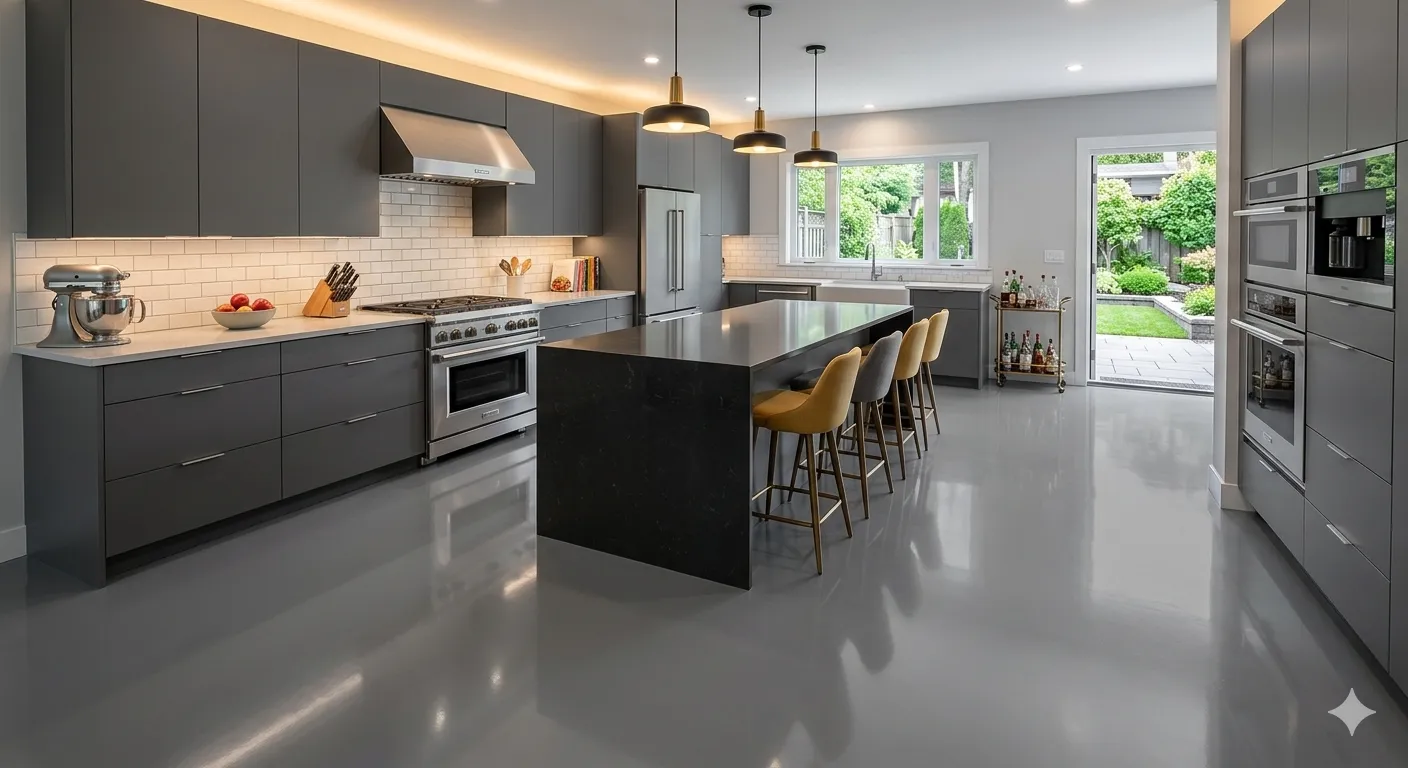
How to Clean and Maintain Your Epoxy Floor for Maximum Longevity
One of the best things about a professionally installed epoxy floor is how little it asks of you. There's no waxing, no sealing, no special equipment. But "low maintenance" isn't "no maintenance" — a few simple habits are the difference between a floor that looks new for two years and one that looks new for twenty.
Daily and Weekly Routine
Your entire routine is genuinely this short:
- Weekly: Dust mop, soft-bristle push broom, or vacuum to remove grit. Grit is the enemy — it's what actually scratches a floor over time.
- As needed: Damp mop with warm water. For a deeper clean, add a small amount of pH-neutral cleaner.
- Spills: Wipe up promptly. Epoxy is chemical-resistant, not chemical-proof — and standing liquid can leave a dull spot if left for days.
Products That Are Safe — and What to Avoid
Safe to use: warm water, pH-neutral floor cleaner, mild dish soap in water, simple green-type degreasers diluted per label.
Avoid:
- Acidic cleaners (anything with vinegar or citric acid) — they dull the gloss over time.
- Abrasive powders or scouring pads — they micro-scratch the top coat.
- Soap-based "mop & shine" products — they leave a film that builds up and gets slippery.
If you wouldn't use it on a car's clear coat, think twice before using it on your epoxy top coat. The chemistry concern is similar.
Handling Stains and Tough Spots
For tire marks (the most common complaint in garages), a soft brush with a degreaser and warm water lifts them easily — don't let hot tires sit for weeks and they rarely set in. For oil, grease, or paint, blot first, then clean with a degreaser. Avoid letting brake fluid or harsh automotive chemicals sit on the surface.
Scratch Prevention
- Use furniture pads or plywood under heavy items like tool chests and jack stands.
- Lay a mat under bicycle and motorcycle kickstands.
- Don't drag metal or sharp objects across the surface.
- Keep entry grit down with a walk-off mat at the door — most scratches start as tracked-in sand.
When to Consider a Recoat
The clear top coat is a sacrificial wear layer — that's by design. After many years, high-traffic lanes may lose a little gloss. The good news: you don't replace the floor, you simply have a fresh top coat applied. A timely recoat resets the surface to like-new and protects the decorative layer underneath indefinitely.
Florida-Specific Considerations
Our climate adds a few wrinkles:
- Sand: Coastal and sandy-yard homes track in fine grit constantly. Frequent dust mopping matters more here than almost anywhere.
- UV: If your garage door is open for long stretches, a quality UV-stable top coat (which we use) prevents yellowing — but extreme prolonged sun on lower-grade coatings can still fade.
- Heat & hot tires: Pull a vehicle in with very hot tires and let them cool; on quality polyaspartic top coats this is a non-issue, but it's good practice.
Follow the basics and a LuxeVita floor will reward you with decades of easy, good-looking service.
Ready to Transform Your Floor?
LuxeVita Epoxy LLC installs premium epoxy flooring across Brooksville, Tampa, and all of Central & West Florida. Every job is licensed, insured, and backed by professional surface preparation. Get a free, no-obligation quote today — we respond within 24 hours.
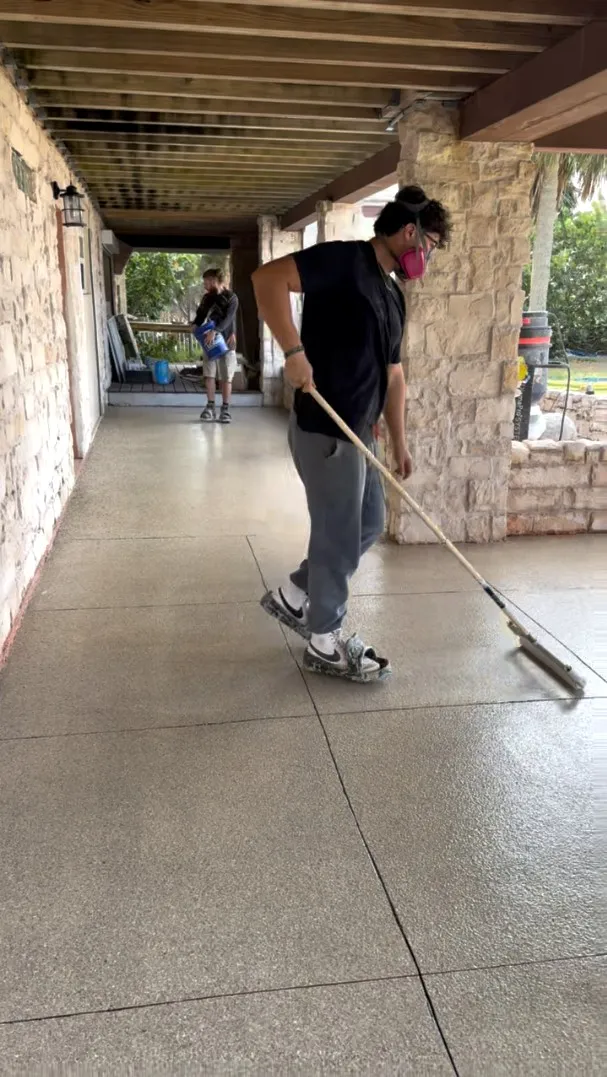
Jake McIlrath
Owner & Lead Installer, LuxeVita Epoxy LLC
Jake leads every LuxeVita install personally, bringing hands-on experience with Florida slabs, climate, and the prep that makes epoxy last. He writes here to help homeowners and businesses make informed flooring decisions.
Related Articles
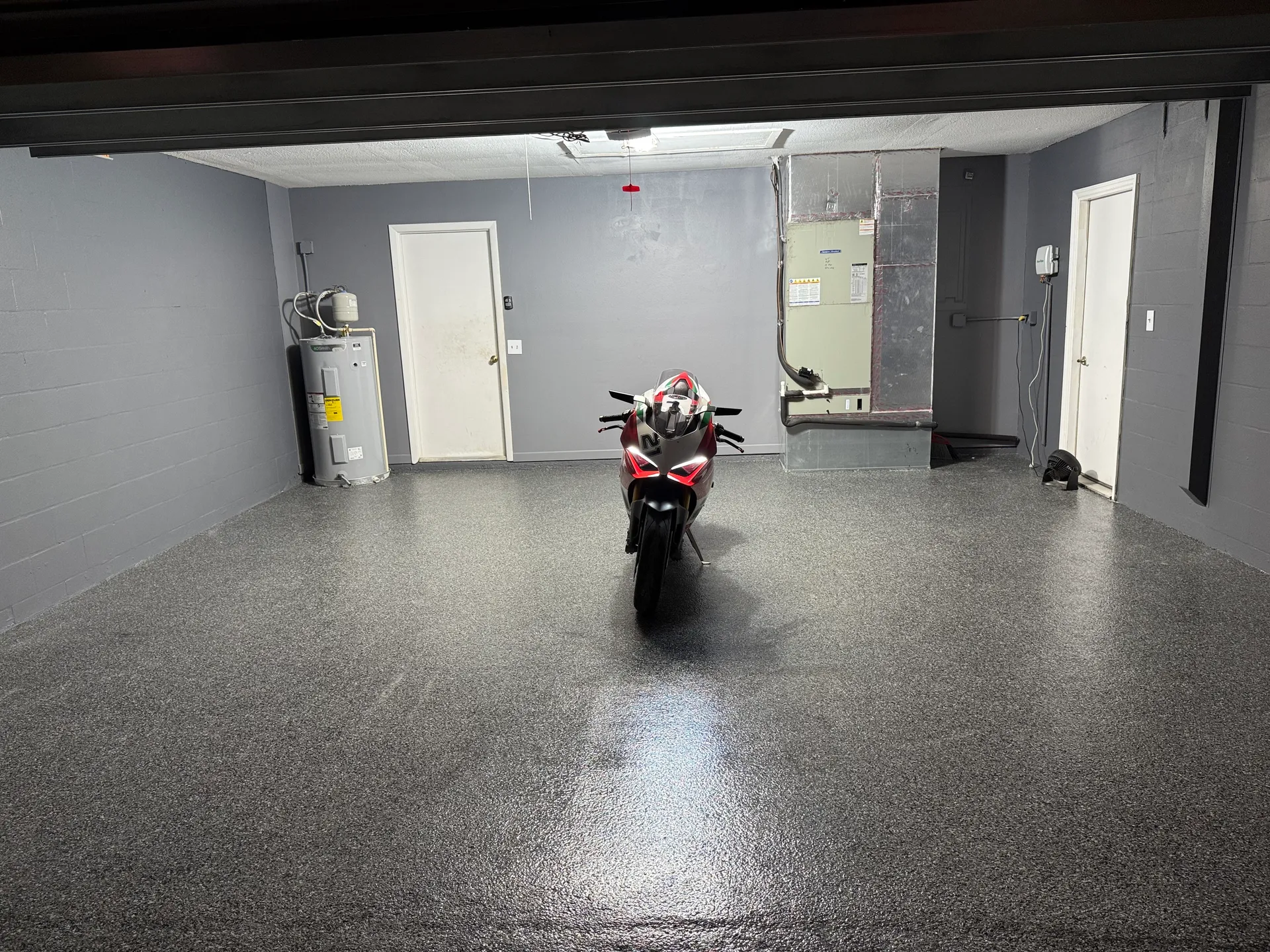
Polyaspartic vs Epoxy Garage Floors in Florida: Which Actually Lasts Longer?
Polyaspartic vs epoxy in Florida garages: which actually lasts longer under UV, humidity, and heat? A Brooksville installer breaks down the honest answer.
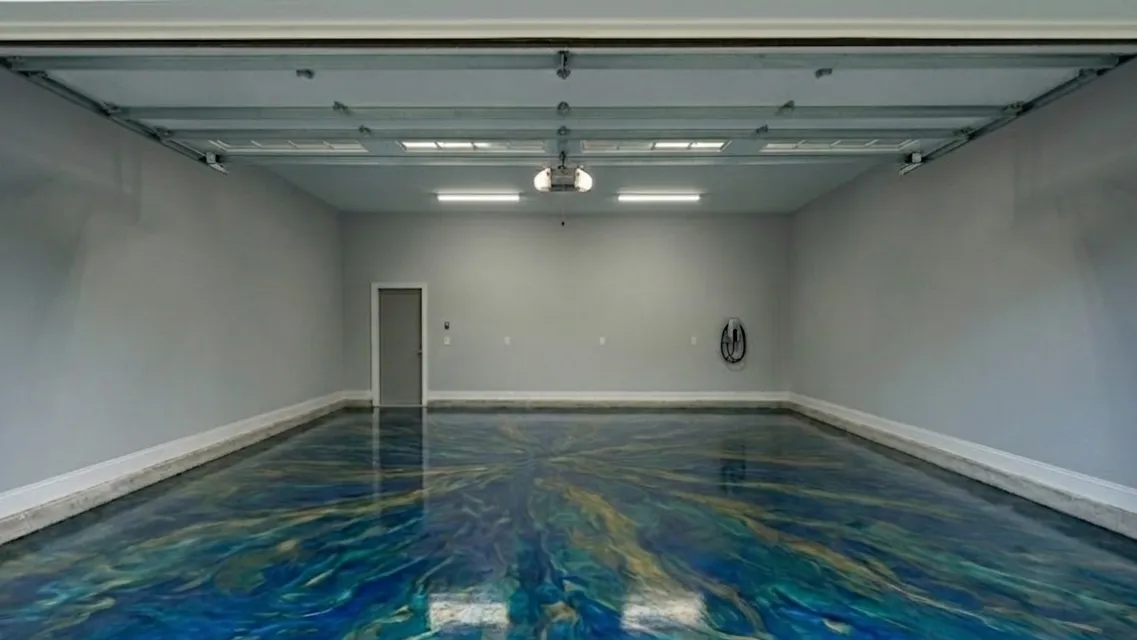
How Long Does Epoxy Flooring Actually Last in Florida? An Honest Lifespan Guide
How long does epoxy flooring last in Florida? An honest answer: 15-20+ years for pro systems, 2-4 for DIY kits. Here's what really drives lifespan.
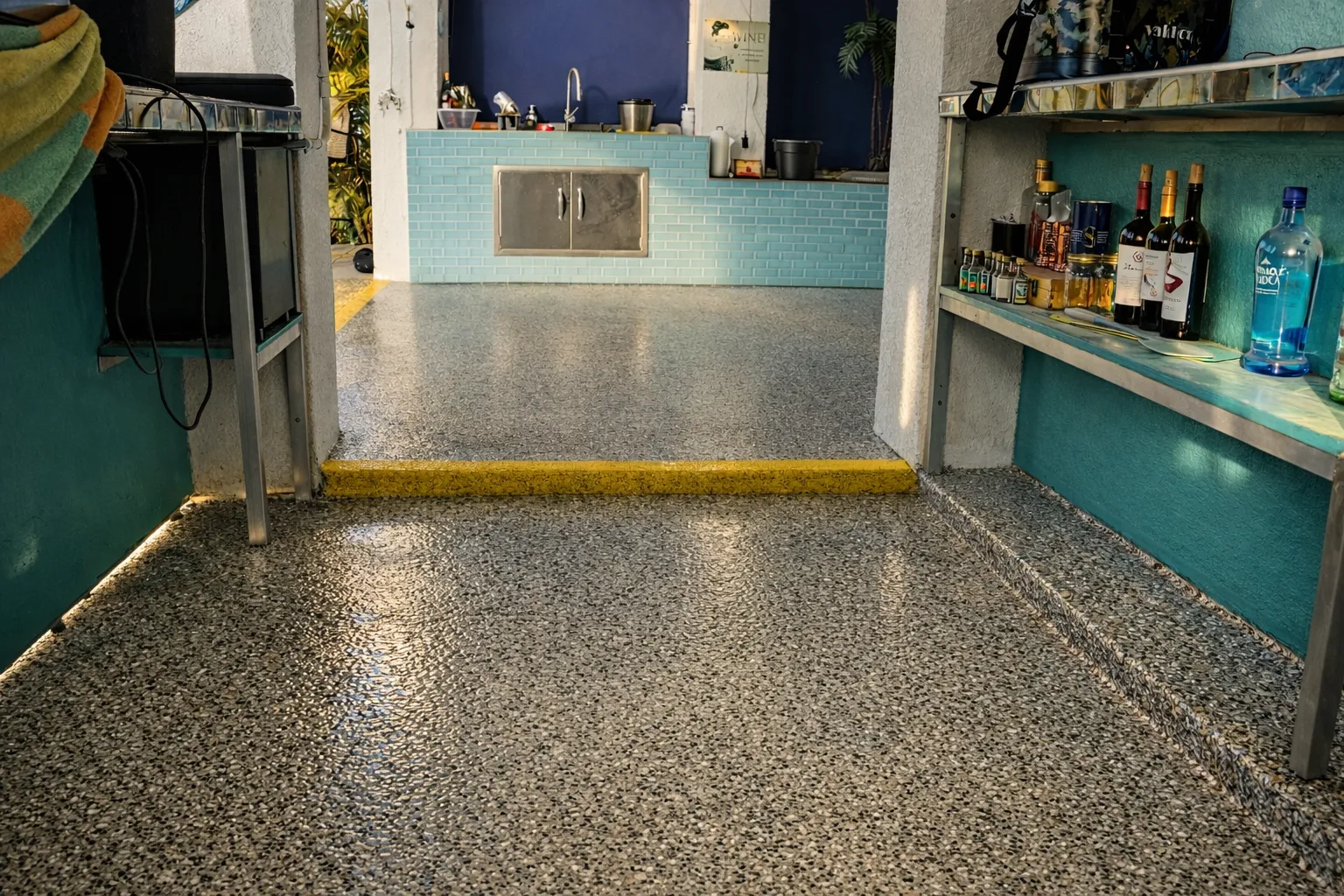
Commercial Kitchen & Restaurant Epoxy Flooring in Florida: Code, Drainage, and Slip Ratings
NSF/FDA-compliant commercial kitchen epoxy for Florida restaurants: slip ratings, cove base, drainage, and weekend installs that pass DBPR inspection.
Ready to Transform Your Floor?
Get a free, no-obligation quote today. We respond within 24 hours.