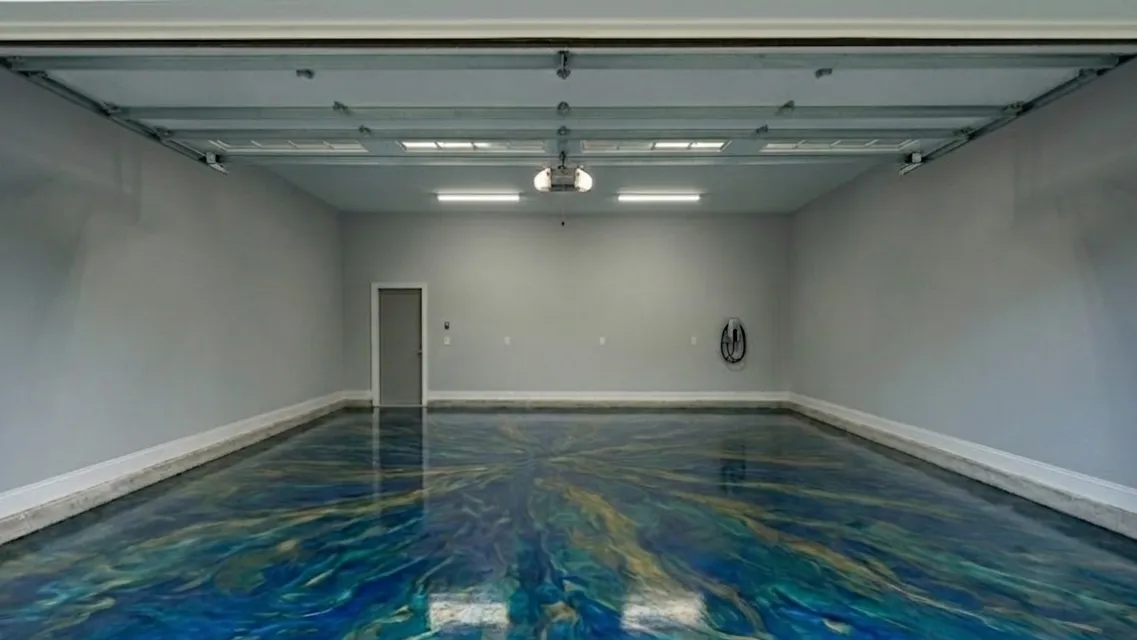
How Long Does Epoxy Flooring Actually Last in Florida? An Honest Lifespan Guide
How long does epoxy flooring last? In Florida, the honest answer is 15 to 20+ years for a properly installed professional system, and 2 to 4 years for a big-box DIY kit. That gap is not about the epoxy resin itself — it's about prep, system chemistry, and how the floor lives day to day. I'm going to walk you through real lifespan numbers, the six things that quietly kill epoxy floors in this climate, and what to actually expect from your warranty.
The Short Answer (With the Caveat)
A professional epoxy or hybrid epoxy/polyaspartic system installed over diamond-ground concrete in Florida should last 15 to 20+ years. Interior climate-controlled spaces can push past 25. DIY roller kits from the home center average 2 to 4 years before peeling, hot-tire pickup, or yellowing forces a redo.
Here is the caveat that nobody selling you a floor wants to put in writing: lifespan is determined far more by surface preparation and system choice than by the epoxy itself. Two identical buckets of resin can produce a 20-year floor in one garage and a 2-year disaster next door. The variable is what happened to the concrete in the eight hours before the first coat went down.
That's why we publish so much about why surface preparation matters. It's the single largest predictor of how long your floor will be around.
Residential Lifespan by Application
Not every room ages the same. Heat, UV, traffic, and moisture all weigh differently across the house. Here's what I tell homeowners during a consultation:
- Garage floors: 15 to 20 years. The standard residential application. Hot tires, dropped tools, and occasional oil are the main stressors. A polyaspartic topcoat handles all three.
- Pool decks: 8 to 15 years. UV exposure is constant and brutal. We use only UV-stable systems here — aromatic epoxy alone will fail in under three years pool-side. See our breakdown of polyaspartic vs epoxy for Florida sun exposure.
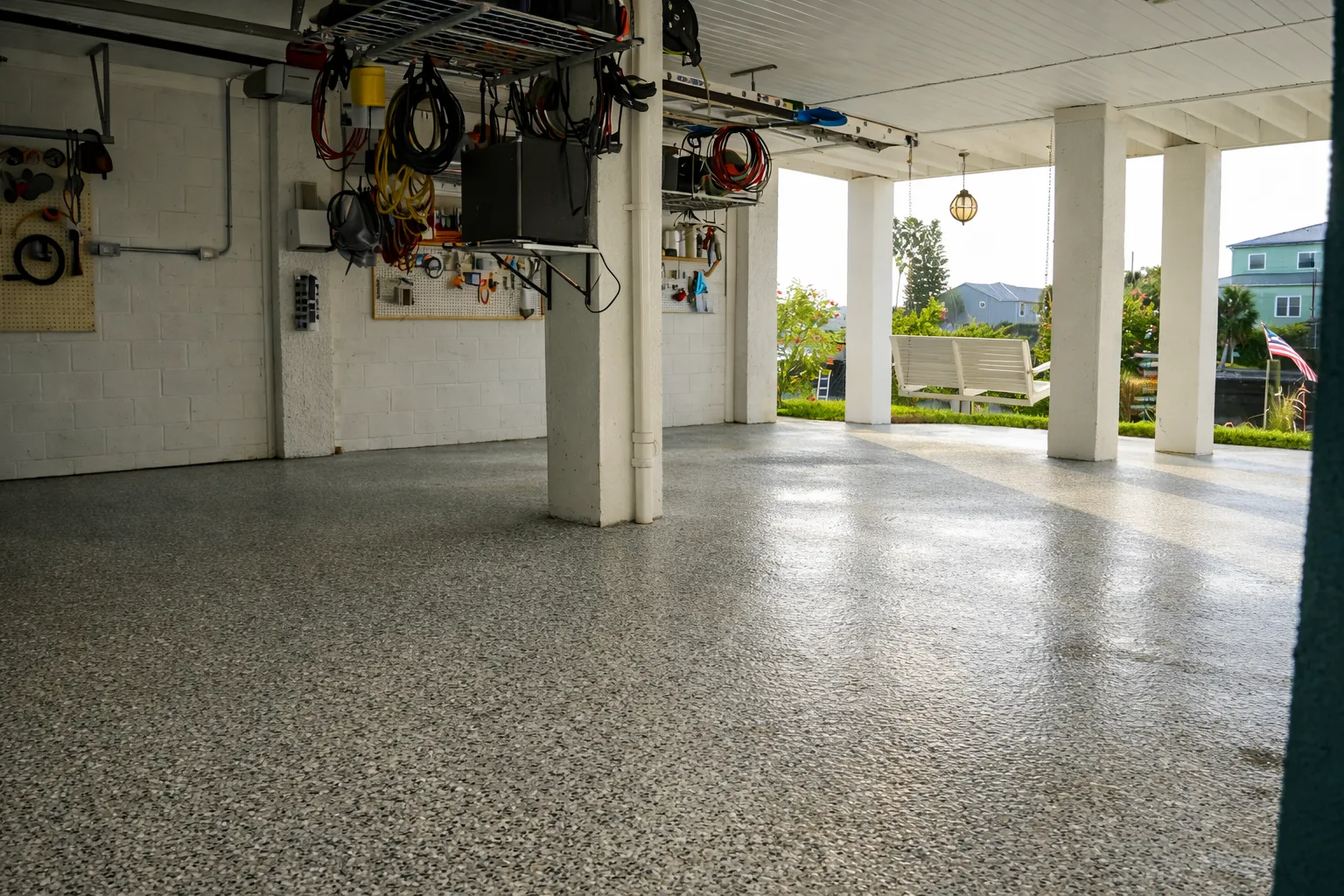
- Lanais and covered patios: 12 to 18 years. Covered means partial UV protection. The bigger enemy is wind-driven rain pushing salt and grit across the surface.
- Interior living spaces: 20 to 25+ years. Climate-controlled, no UV, no hot tires, no salt. Interior floors are the longest-lived application we install.
- Garage flake systems with topcoat refresh: 25 to 30 years achievable. The base coat outlives the topcoat by a wide margin, so refreshing the wear layer at year 8 to 10 dramatically extends total system life.
Commercial Lifespan by Application
Commercial floors take a beating residential floors never see. Traffic is constant, cleaning is aggressive, and chemicals are routine. Here's the honest range:
- Warehouse and light industrial: 10 to 15 years. Forklift traffic, pallet drops, and dragged equipment are the main wear drivers. We spec thicker mil builds and quartz broadcasts here.
- Auto and mechanic shops: 8 to 12 years. Battery acid, brake fluid, and gasoline are aggressive even on chemical-resistant systems. Spill response time matters.
- Restaurant kitchens: 10 to 15 years. The daily hot wash-down with degreasers is harder on coatings than most people realize. Cove bases and slip-rated topcoats are non-negotiable here.
- Retail and showroom floors: 15 to 20 years. Foot traffic alone, even heavy foot traffic, wears slowly. Stiletto heels and dragged display racks are the actual threats.
- Medical and clean rooms: 15 to 20 years. Daily disinfectant cleaning is gentler on epoxy than people assume. The bigger issue is impact from dropped equipment.
The 6 Things That Shorten Epoxy Lifespan in Florida Specifically
Florida is its own animal. Coatings that last 25 years in Arizona can fail in 4 years here, and it has nothing to do with the chemistry being wrong. It has to do with the environment.
- Inadequate moisture mitigation. Florida slabs sit on a high water table and pump vapor upward year-round. Without a moisture-mitigating primer or a calcium chloride test guiding the system choice, you get blisters and full delamination within 12 to 36 months. This is the single most common cause of premature failure I see.
- UV exposure on aromatic epoxies. Standard epoxy yellows and chalks under direct sunlight. On a pool deck or unshaded driveway, you'll see noticeable color shift in under two years. Aliphatic polyaspartic or urethane topcoats are the only honest answer for UV exposure in Florida.
- Hot-tire pickup from heat-saturated tires. A car driven 30 minutes in August Florida heat parks tires at 140°F+. Cheap or under-cured systems literally lift off the slab when those tires cool and contract. Properly installed polyaspartic does not do this. Period.
- Salt-air spalling on coastal garages. Within a mile of the Gulf, airborne chloride attacks concrete from below the coating. If the slab was already spalling or had hairline cracks, salt accelerates substrate failure under an otherwise healthy coating. Crack stitching and proper sealing at install matter here.
- Pressure-washer abuse on textured coatings. Flake floors and broadcast quartz hold dirt in their texture, and the natural response is to crank up the pressure washer. Above 2,000 PSI at a close angle, you start blasting flakes loose and exposing the base coat. I see this constantly on lanais.
- Pet urine left to dry on unsealed flake systems. Florida heat dries pet accidents fast, and the uric acid concentrates as it dries. On a flake floor that wasn't sealed with two full topcoat passes, urine soaks into the texture and stains permanently within hours.
Why DIY Kits Fail in 2 to 3 Years
I get called out to recoat DIY garage kits constantly. The pattern is identical every time. The kit goes down on lightly etched concrete with a roller, looks great for a summer, and starts peeling at the garage door threshold by the second winter. By year three, the homeowner is staring at a checkerboard of flaking patches and bare concrete.
Here's why, mechanically. Big-box kits use water-based or low-solids epoxy because that's what passes hazmat shipping to a retail shelf. Water-based chemistry has a fraction of the bond strength of a 100 percent solids industrial epoxy — we're talking roughly 1,500 PSI of adhesion versus 4,000+ PSI for a properly installed pro system. They tell you to acid-etch, which opens about 10 percent of the concrete's pore structure compared to the near-complete profile you get from proper diamond grinding with the right CSP rating.
The kits also ship a single coat and a thin clear, with no broadcast layer to provide impact distribution or hide minor substrate variation. There is no primer matched to slab moisture content. There is no test for vapor emission rate before the resin goes down. The instructions assume your garage is in San Diego.
The result is a 4 to 8 mil floor with weak adhesion sitting on partially prepped concrete in a state where 75 percent humidity is a slow Tuesday. That floor cannot survive Florida hot-tire pickup, period. The money you "saved" buys you a removal job, which costs more than just doing it right the first time. A $400 DIY kit that fails in 2 years and needs $1,200 of grinding to remove before a real system can go down is not a budget win — it's the most expensive way to get an epoxy floor.
What a Real Warranty Looks Like (and What to Ignore)
"Lifetime warranty" is the single most abused phrase in this industry. Read the exclusions before you read the headline. A typical "lifetime" warranty in epoxy excludes UV damage, hot-tire pickup, moisture-related failure, chemical exposure, impact damage, and improper maintenance. Stack those exclusions and you're left with a warranty that covers the coating spontaneously dissolving while no one is in the room.
A meaningful warranty looks different. It states a specific term — 5, 10, or 15 years is typical and honest. It explicitly covers bonding failure and delamination, which is the failure mode that matters. It names the labor cost coverage, not just the material. And it requires reasonable maintenance, not unrealistic ones like "no vehicle parking" on a garage floor.
If a warranty document is one page of large print with no exclusions list, it's a marketing document, not a warranty. If a warranty document is three pages with clear coverage of bonding for a specific term, that's the real thing. Ask for the warranty in writing before you sign anything, not after.
Maintenance Habits That Double the Lifespan
The single highest-leverage thing a homeowner can do is recoat the topcoat at year 8 to 10. The base coat and broadcast layer almost never fail first — in 20 years of looking at worn floors, I've seen the clear go before the color exactly 100 percent of the time. The sacrificial layer wears, and refreshing it costs roughly $2 to $4 per square foot. A full replacement runs $6 to $12 per square foot. The math is not subtle. One refresh turns a 15-year system into a 25-year system.
Beyond that, the routine is simple. Sweep or dust-mop weekly to keep grit from acting as sandpaper underfoot — the dragged sand under car tires does more long-term damage than any chemical spill. Mop monthly with a pH-neutral cleaner, never an ammonia or citrus degreaser, both of which slowly soften the topcoat. Clean up chemicals, brake fluid, and pet accidents within hours, not days. And do not pressure-wash a flake or textured floor at high pressure, ever — a garden hose and a deck brush do the same job without lifting flakes.
If your floor is in a coastal garage, rinse it down with fresh water once a month to flush airborne salt. If it's a lanai, sweep before storms so wind-driven debris isn't blasting across the surface for hours. Small habits, large compounding returns on lifespan.
We cover the full care routine in our epoxy maintenance guide, including which products are safe and which ones quietly damage the topcoat over time.
Frequently Asked Questions
How long does epoxy flooring last in a Florida garage?
A professionally installed epoxy or polyaspartic garage system in Florida lasts 15 to 20 years on average, and longer with a topcoat refresh around year 8 to 10. The number assumes proper diamond grinding, moisture mitigation, and a UV-stable topcoat — not just any "epoxy floor." DIY kits typically fail in 2 to 4 years for the reasons above.
Does Florida humidity shorten epoxy floor lifespan?
Humidity itself does not damage cured epoxy, but the moisture vapor pushing up through Florida concrete slabs absolutely can. Without a moisture-mitigating primer matched to a calcium chloride test result, vapor pressure causes blisters, bubbles, and delamination within 1 to 3 years. This is a prep decision, not a product decision.
Will my epoxy floor turn yellow in the Florida sun?
Standard aromatic epoxies will yellow and chalk under direct UV in roughly 12 to 36 months. A polyaspartic or aliphatic urethane topcoat blocks this almost entirely and is the only system we install on pool decks, lanais, and any sun-exposed surface. Indoor floors with no UV exposure stay color-stable indefinitely.
What is the most common reason epoxy floors fail early?
Bad surface preparation, by a wide margin. Roughly 80 percent of the premature failures I am called out to repair trace directly back to acid-etched or unprepped concrete instead of diamond grinding. The coating chemistry is rarely the problem. The substrate it bonded to is.
Can I extend the life of my epoxy floor with maintenance?
Yes, and the gains are significant. Weekly sweeping, monthly pH-neutral mopping, prompt cleanup of chemicals, and a single topcoat refresh at year 8 to 10 can push a 15-year system into 25+ year territory. The sacrificial topcoat is what wears, and recoating it costs a fraction of a full replacement.
Are lifetime warranties on epoxy floors real?
Most of them are marketing language, not warranties. Read the exclusions: if UV, hot tires, moisture, chemicals, and impact are all excluded, you have a warranty against nothing. A 5 to 15 year limited warranty with real bonding and delamination coverage and a clear labor provision is more honest and more useful than any "lifetime" claim with three pages of carve-outs.
Ready to Transform Your Floor?
LuxeVita Epoxy LLC installs premium epoxy flooring across Brooksville, Tampa, and all of Central & West Florida. Every job is licensed, insured, and backed by professional surface preparation. Get a free, no-obligation quote today — we respond within 24 hours.
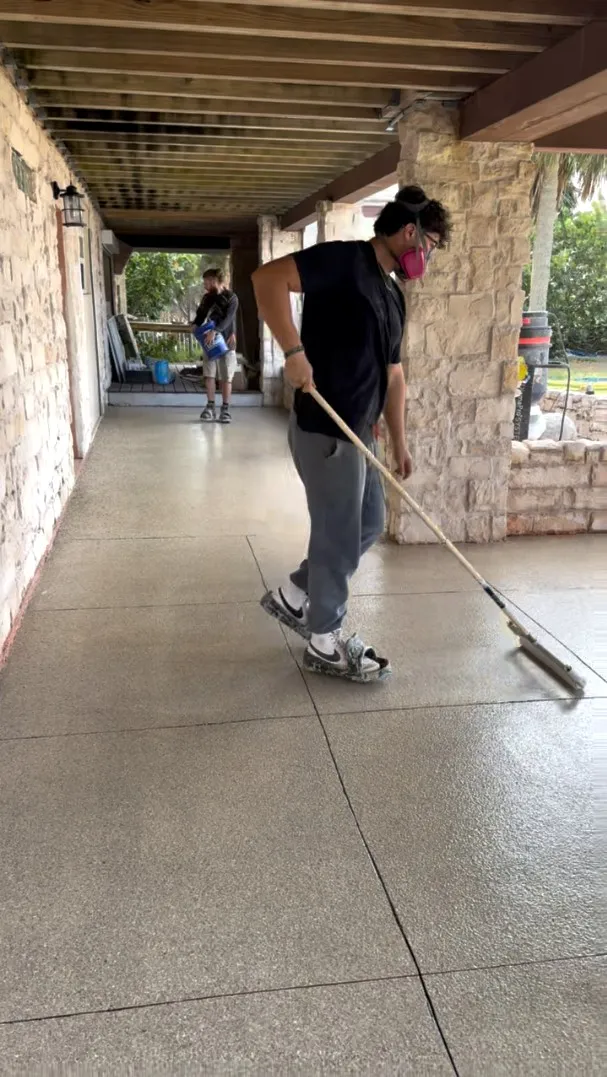
Jake McIlrath
Owner & Lead Installer, LuxeVita Epoxy LLC
Jake leads every LuxeVita install personally, bringing hands-on experience with Florida slabs, climate, and the prep that makes epoxy last. He writes here to help homeowners and businesses make informed flooring decisions.
Related Articles
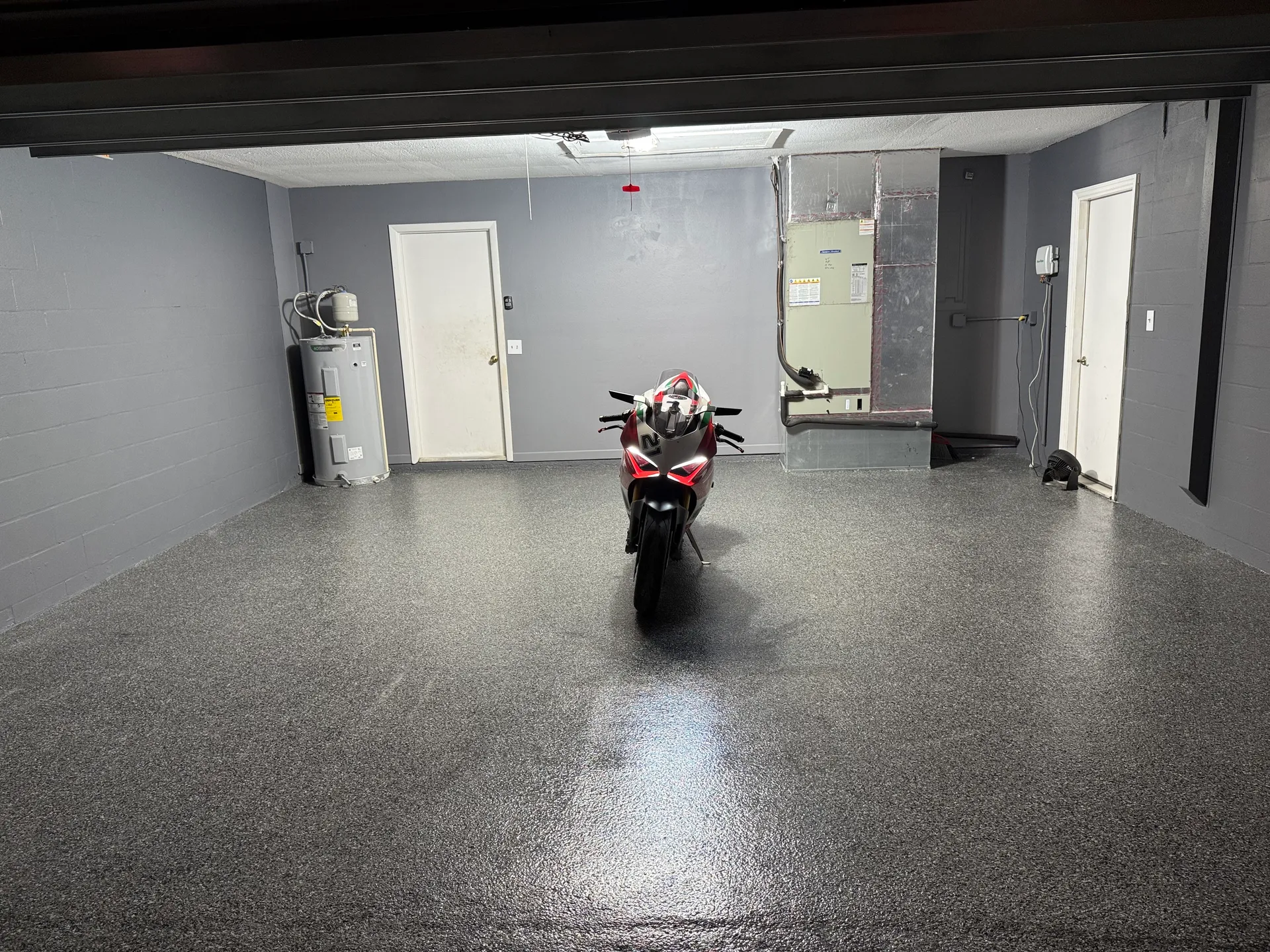
Polyaspartic vs Epoxy Garage Floors in Florida: Which Actually Lasts Longer?
Polyaspartic vs epoxy in Florida garages: which actually lasts longer under UV, humidity, and heat? A Brooksville installer breaks down the honest answer.
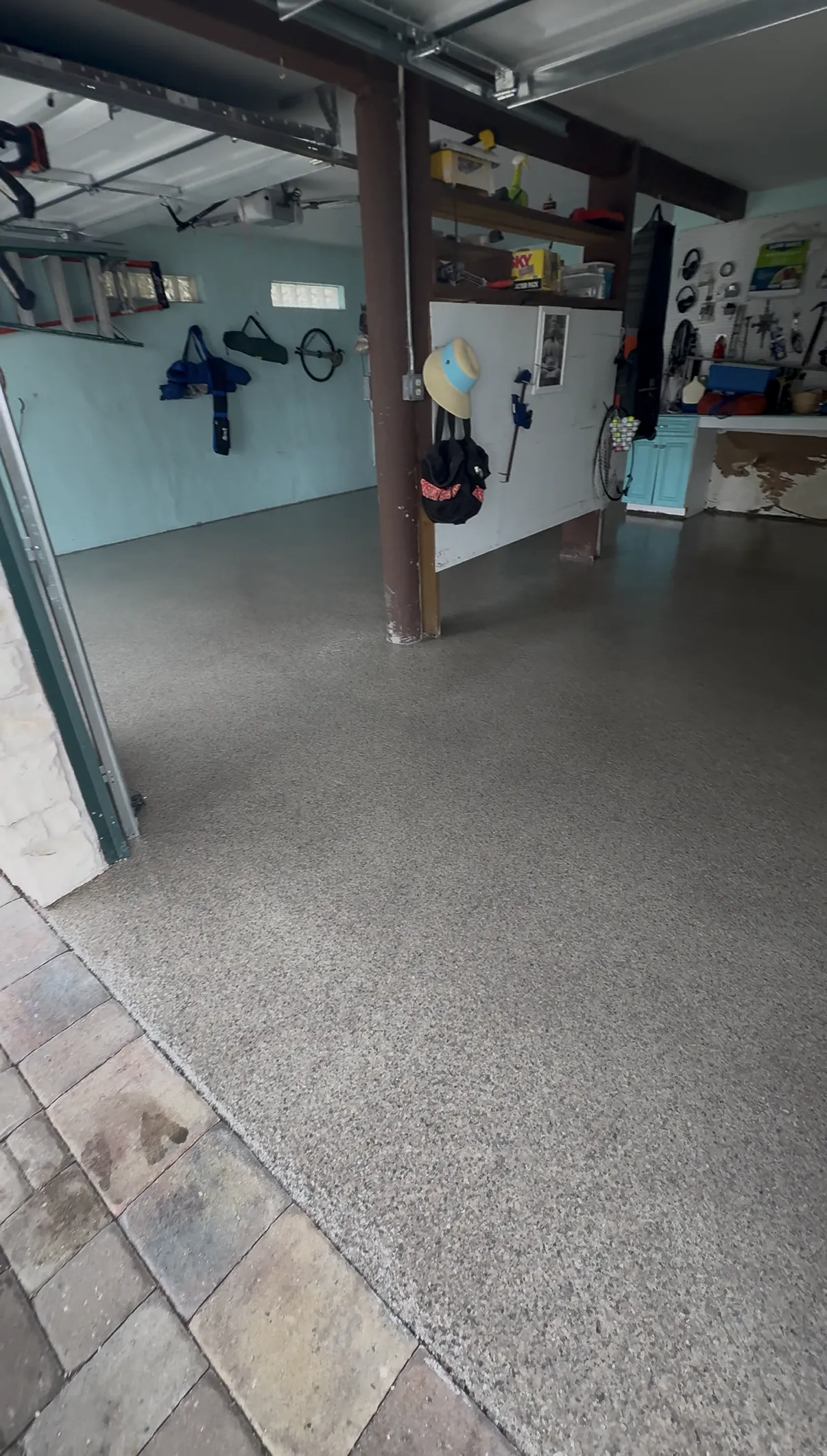
Epoxy Floor Cost Per Square Foot in Florida (2026): Real Pricing by Project Type
Real 2026 Florida epoxy floor cost per square foot, broken down by project type — garages, pool decks, lanais, commercial, with honest dollar ranges.
Lanai Floor Coating: The Florida Patio Upgrade Most Homeowners Overlook
A professional lanai floor coating turns your screened Florida patio into real living space — cooler, cleaner, and built for storms and pollen.
Ready to Transform Your Floor?
Get a free, no-obligation quote today. We respond within 24 hours.