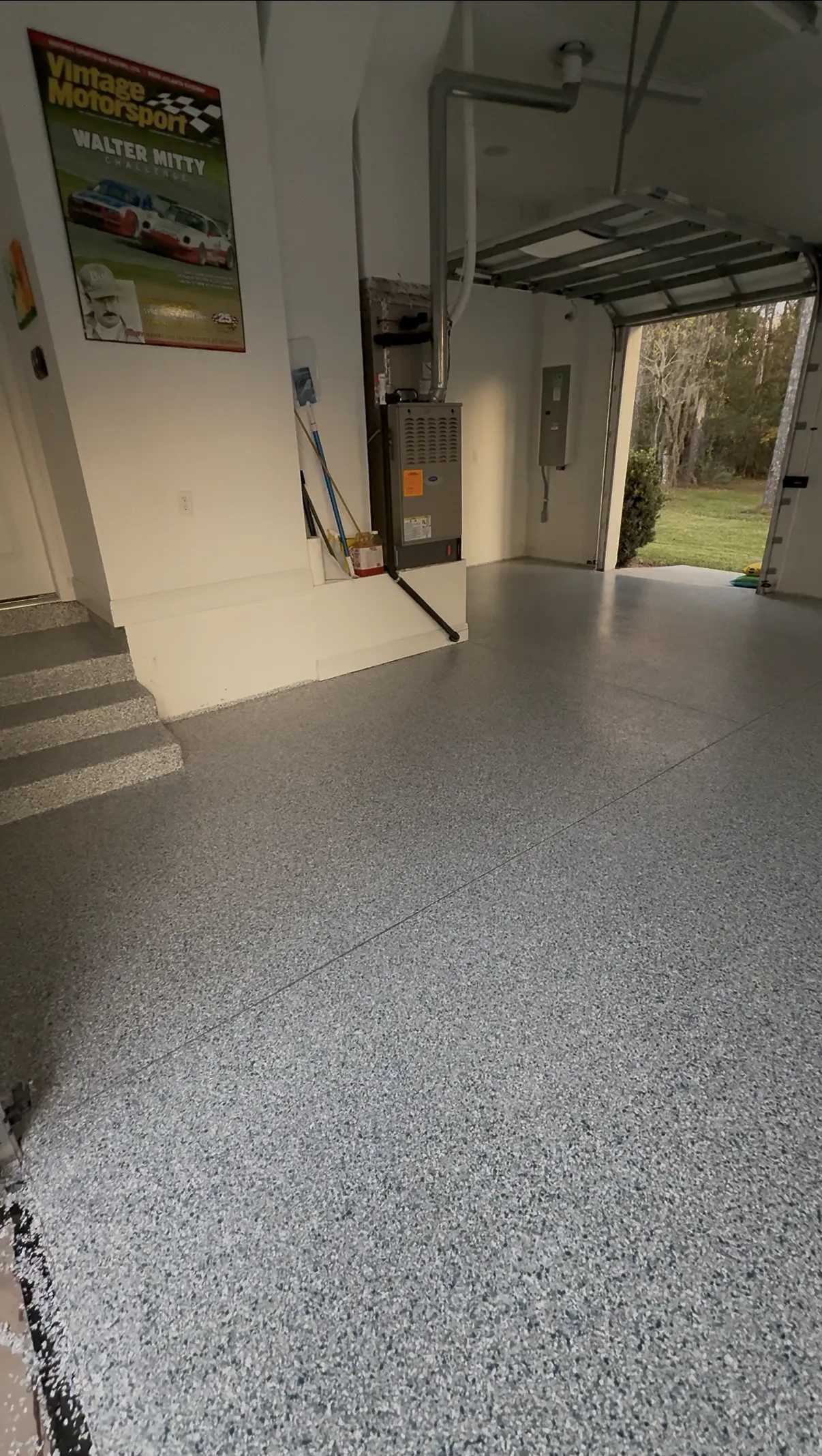
Why Surface Preparation is the Most Important Part of Any Epoxy Job
If we could teach Florida homeowners just one thing about epoxy flooring, it would be this: the coating is only as good as the surface it bonds to. The vast majority of failed epoxy floors we're called to fix didn't fail because of cheap resin. They failed because nobody prepared the concrete properly.
What Surface Preparation Actually Involves
Real preparation is mechanical, not chemical. A professional job includes:
- Diamond grinding or shot blasting. This removes the weak, smooth top layer of the slab ("laitance"), old coatings, and contaminants, and opens the concrete's pores so epoxy can mechanically lock in.
- Crack and joint repair. Cracks are routed out, filled with a structural polymer, and ground flush so they don't telegraph through the finish.
- Spall and pit patching. Damaged areas are rebuilt so the final surface is uniform.
- Profiling to spec. The goal is a measurable concrete surface profile (CSP) appropriate for the coating system.
Acid etching is not a substitute for grinding. It's the corner most budget installers cut, and it's the single biggest predictor of early failure.
Why Skipping Prep Leads to Peeling and Failure
Epoxy doesn't glue itself to concrete chemically — it grips it mechanically, like a key in a lock. If the surface is sealed, smooth, or contaminated with oil, dust, or old coating, the epoxy has nothing to grip. It may look perfect on day one and then, weeks or months later, lift in sheets, bubble, or flake away under tire pressure. Once that bond is lost, there is no fixing it with another top coat — the floor has to be ground down and redone.
Moisture Testing in Florida's Climate
This is the step that's most often skipped in Florida, and it's the most important one here. Our slabs sit on damp ground, often without an adequate vapor barrier. Moisture constantly migrates up through the concrete. When that vapor hits the underside of a non-breathable epoxy coating, pressure builds until it pushes the coating off the slab — classic osmotic blistering.
A responsible contractor performs a calcium chloride or relative humidity test before quoting and, if readings are high, specifies a moisture-mitigating primer designed to handle vapor drive. Skipping this in Florida isn't a shortcut — it's a guarantee of future failure.
What to Look For When Hiring a Contractor
You can usually tell a serious installer from a weekend operation by how they talk about prep. Ask directly:
- "How will you profile my concrete?" — You want to hear diamond grinding or shot blasting, not "we'll etch it."
- "Do you moisture test, and what do you do if it's high?"
- "How do you handle the cracks and control joints I have now?"
- "What's your warranty, and what voids it?"
An installer who lights up talking about prep is one who has learned — sometimes the hard way — that this is where floors are won or lost.
How LuxeVita Approaches Prep on Every Job
We treat preparation as roughly half of every project's labor, because it is. Every LuxeVita floor starts with full diamond grinding, structural crack and joint repair, and on-site moisture evaluation before a single drop of coating goes down. If a slab needs a moisture-mitigating system, we tell you up front and build it into the quote rather than discovering it after your floor fails. It's the least glamorous part of the job and the reason our floors last.
Ready to Transform Your Floor?
LuxeVita Epoxy LLC installs premium epoxy flooring across Brooksville, Tampa, and all of Central & West Florida. Every job is licensed, insured, and backed by professional surface preparation. Get a free, no-obligation quote today — we respond within 24 hours.
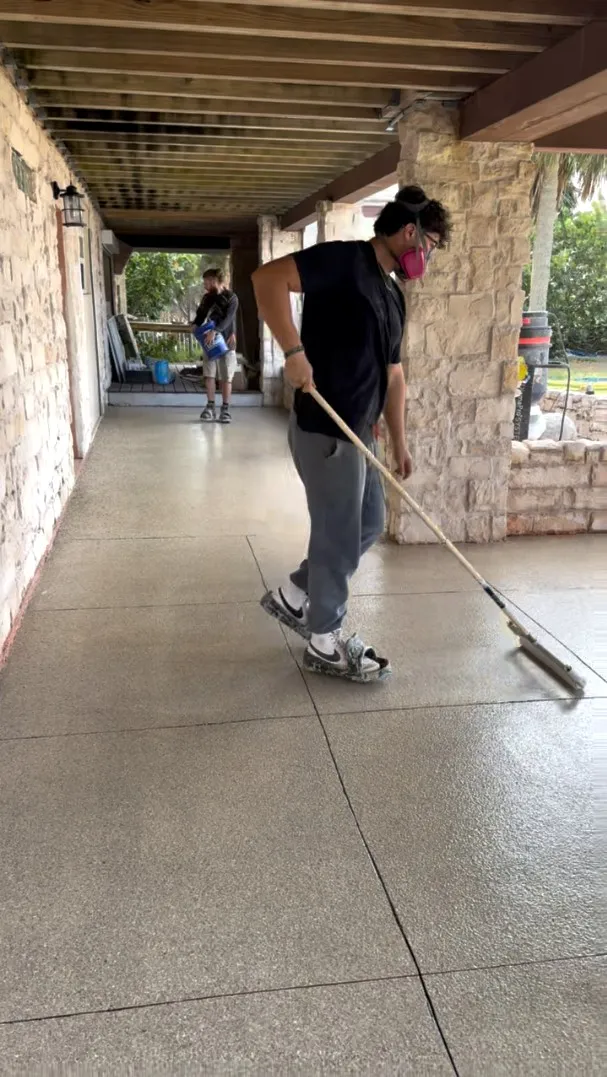
Jake McIlrath
Owner & Lead Installer, LuxeVita Epoxy LLC
Jake leads every LuxeVita install personally, bringing hands-on experience with Florida slabs, climate, and the prep that makes epoxy last. He writes here to help homeowners and businesses make informed flooring decisions.
Related Articles
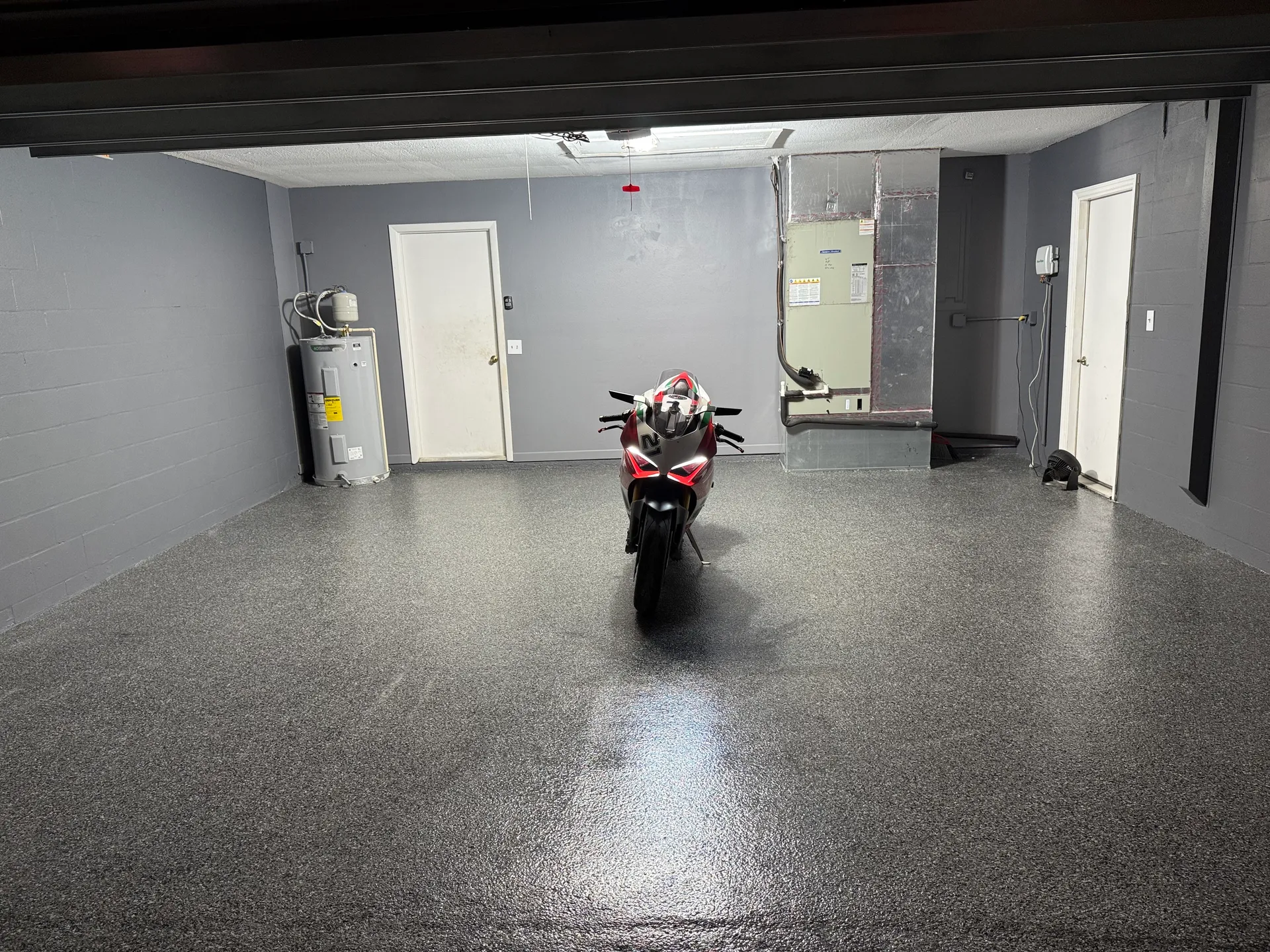
Polyaspartic vs Epoxy Garage Floors in Florida: Which Actually Lasts Longer?
Polyaspartic vs epoxy in Florida garages: which actually lasts longer under UV, humidity, and heat? A Brooksville installer breaks down the honest answer.
How Long Does Epoxy Flooring Actually Last in Florida? An Honest Lifespan Guide
How long does epoxy flooring last in Florida? An honest answer: 15-20+ years for pro systems, 2-4 for DIY kits. Here's what really drives lifespan.
Epoxy Floor Cost Per Square Foot in Florida (2026): Real Pricing by Project Type
Real 2026 Florida epoxy floor cost per square foot, broken down by project type — garages, pool decks, lanais, commercial, with honest dollar ranges.
Ready to Transform Your Floor?
Get a free, no-obligation quote today. We respond within 24 hours.