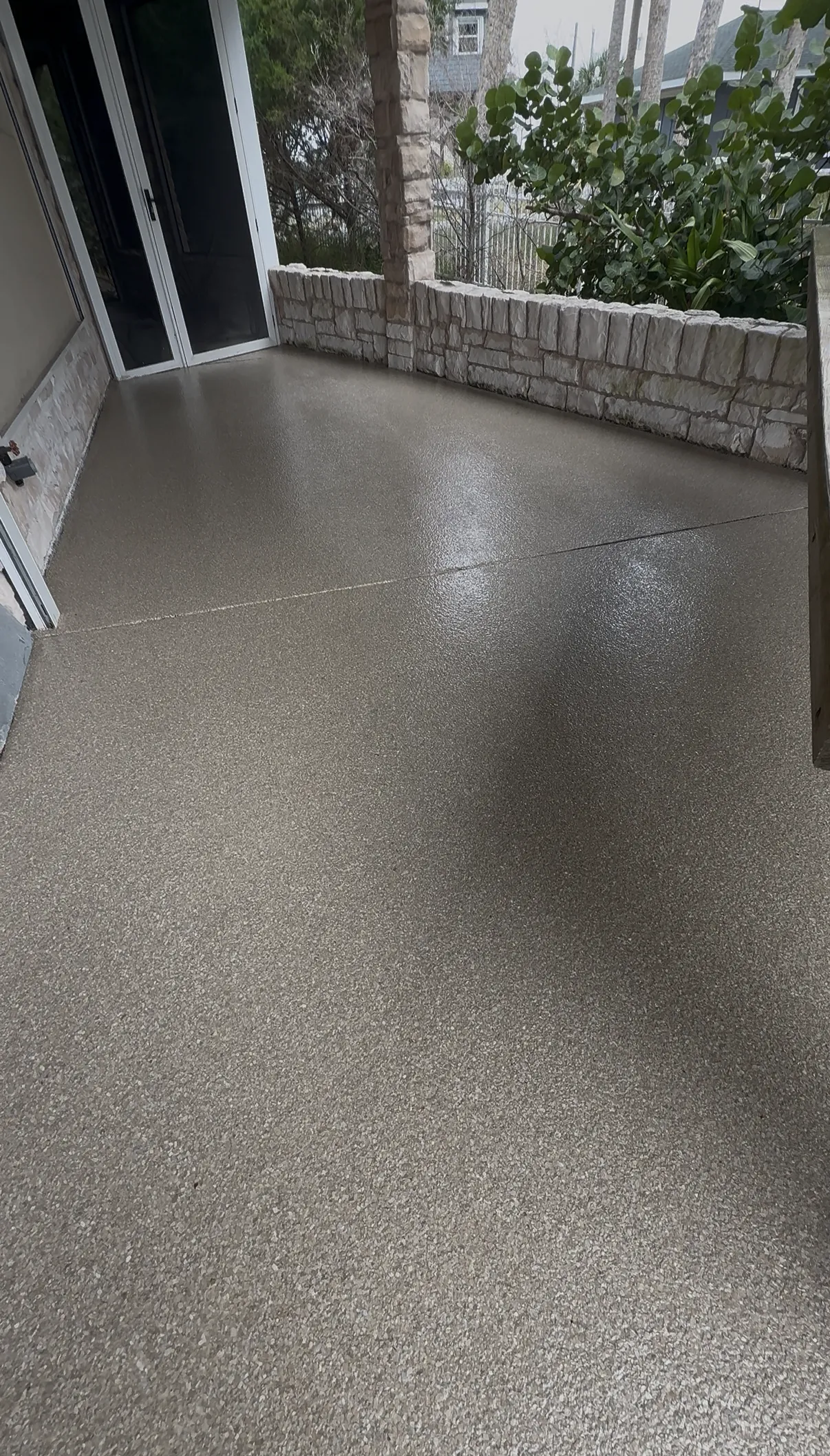
Pool Deck Coating in Florida: Cool-Touch Options That Survive UV and Chlorine
If you're searching for pool deck coating Florida homeowners actually trust, the real question isn't "what color" — it's whether the system will survive a decade of UV, chlorine splash, salt air, and 130-degree surface temperatures without yellowing, peeling, or burning bare feet. I've installed and repaired enough Florida pool decks to know the answer depends entirely on chemistry and prep, not marketing.
This guide walks through what fails, what works, what it costs, and how long it lasts — written for homeowners who want a deck they can use barefoot in August.
Why Standard Concrete Fails on Florida Pool Decks
Bare concrete looks fine the day it's poured. Five summers later it's a different story. The combination of UV, pool chemistry, and our coastal air does damage that most homeowners only notice after it's gone too far to ignore.
Surface temperature is the first complaint. A bare gray slab in direct Florida sun routinely measures 130 to 140 degrees Fahrenheit by mid-afternoon. That's hot enough to blister bare feet in under 10 seconds, and it radiates heat into the surrounding patio long after sunset.
Chlorine and saltwater are the second issue. Splash-out raises surface pH and slowly etches the cement paste, leaving a chalky, porous top layer that holds dirt and grows algae. Salt-air spalling — common on any coastal Florida property — pulls flakes off the surface as salt crystals expand inside microscopic pores.
Then there's the cracking. Florida slabs move with thermal cycling, settle with rainy-season saturation, and shift after hurricane wind events. Hairline cracks turn into trip hazards, and trip hazards turn into slip-and-fall claims when someone's coming out of the pool.
Coating Options Compared
There are essentially four coating families used on Florida pool decks, and they are not interchangeable. Picking the wrong one is the single most common mistake I see.
Polyaspartic flake systems are the current standard for premium residential pool decks. They use a UV-stable aliphatic top coat over a broadcast flake or quartz layer, giving you color, texture, slip resistance, and a 10-to-15-year service life in one system. They cure fast, which matters when you don't want your pool out of commission for a week.
Straight epoxy is the wrong call outdoors, full stop. Standard epoxy is aromatic — it yellows, chalks, and embrittles under UV in months, not years. I'll install epoxy inside a garage all day; I won't put it on a pool deck unless it's sealed under an aliphatic UV-stable top coat, and at that point you're really buying the top coat anyway.
Acrylic concrete coatings (knockdown texture, sometimes branded as "spray deck" finishes) are the budget-friendly traditional option. They breathe well, stay relatively cool, and look good for 4 to 7 years before they need a recoat. They're acrylic, so chlorine and UV gradually chalk them out.
Rubberized coatings like Kool Deck and similar cementitious-rubber blends have been around for decades. They're genuinely cool underfoot and reasonably priced, but they're soft, they stain, and they tend to crack-mirror anything happening in the slab below.
Cool-Touch Technology: How It Works
"Cool-touch" isn't marketing fluff if the system is built right. The physics are straightforward: lighter colors reflect more solar radiation, textured aggregates create air gaps that reduce thermal conduction to your foot, and certain mineral fillers carry less thermal mass than dense cement.
The temperature delta a homeowner can actually feel comes down to color first. A bright white or sand-tone cool deck coating in direct sun will typically measure 95 to 110 degrees when bare concrete next to it reads 135. A medium tan or gray drops the delta to maybe 15 degrees cooler. A dark charcoal will run almost as hot as bare concrete, which is why I steer customers away from dark colors on pool decks no matter how good they look in photos.
Texture matters almost as much as color. A knockdown or broadcast-aggregate surface puts microscopic air gaps between your foot and the thermal mass below, so even when the surface temperature is warm, your foot doesn't make full contact with the heat. That's why a textured flake floor feels cooler than a smooth metallic floor at the same measured surface temp.
Chlorine, Saltwater, and UV: What to Look For
This is where most pool deck coatings live or die. Florida sun is brutal — our UV index regularly hits 11 from May through September, which is about as high as the index goes — and pool chemistry plus coastal salt air is a constant chemical attack.
The single most important spec on any pool deck coating is the top coat chemistry. You want aliphatic, not aromatic. Aliphatic polyaspartic and aliphatic urethane top coats are engineered to hold color and gloss under UV; aromatic epoxies and aromatic urethanes are not. The molecular difference is real, and you can see it on any pool deck where someone used the wrong product — a yellow, chalky surface within 18 months.
For chlorine and saltwater resistance, look for a top coat with documented chemical resistance to sodium hypochlorite, calcium hypochlorite, and salt brine. Reputable manufacturers publish chemical resistance charts; if your installer can't produce one for their top coat, that's a flag.
Salt-air coastal properties — anywhere within roughly two miles of the coast in Florida — also benefit from an extra primer layer with built-in moisture and chloride blocking. It adds maybe 8 to 12 percent to material cost and meaningfully extends the deck's life.
Slip Resistance: Aggregate Options and Ratings
A pool deck has to grip wet, barefoot, and at angles. The relevant standard is ANSI A326.3, which measures Dynamic Coefficient of Friction (DCOF). For wet barefoot areas around pools, the recommended minimum is 0.42 DCOF, and good installs measure 0.60 or higher.
You hit those numbers with broadcast aggregate during installation. The three common options:
- Aluminum oxide — the most aggressive grip, ideal for steps and high-slip zones, but can feel sharp on bare feet at heavy concentrations.
- Silica sand — the middle ground; good grip, comfortable barefoot, the default for most residential pool decks.
- Polymer beads — the softest underfoot, with excellent grip; my preference for lounge areas where people are walking around barefoot all day.
The grit size matters too. A 30/60 grit gives stronger slip resistance but a slightly rougher feel; a finer 60/80 grit feels smoother but with slightly less wet traction. For most Florida residential decks I spec a medium grit polymer or silica blend that hits 0.60+ DCOF wet and still feels good on bare feet.
This is also why surface preparation matters so much — aggregate only delivers slip resistance if it's locked into a properly bonded base coat. A weak bond means the texture wears off in two summers.
Cost and Lifespan for Pool Decks Specifically
Florida pool deck coating pricing runs in fairly predictable ranges by system. These are realistic numbers for a properly prepped, professionally installed deck — not the lowball quotes you'll see from one-day operators.
- Acrylic knockdown / spray deck: $4–$7 per square foot. Lifespan 4–7 years before recoat.
- Rubberized cool deck: $5–$9 per square foot. Lifespan 6–10 years; stain-prone.
- Polyaspartic flake or quartz: $9–$14 per square foot. Lifespan 10–15 years.
- Premium custom systems (multi-color, integrated drains, decorative borders): $14–$20+ per square foot.
Slab condition swings the price more than anything else. A clean, level slab with no major cracks is cheap to prep. A spalled, cracked, or previously coated deck can add $2 to $4 per square foot in repair and grinding before any color goes down. For a full pricing breakdown across all our systems, see our Florida epoxy cost guide.
The lifespan numbers above assume routine maintenance — rinsing winter pollen and rainy-season organic debris off the deck, and a light annual cleaning. Decks that get neglected, or that sit under heavy oak shade with constant organic staining, will run on the shorter end of those ranges.
Installation Process and Disruption to Pool Use
Most Florida residential pool decks take 1 to 3 days of on-site work. The variable isn't the coating itself; it's the prep and the weather.
Day one is almost always diamond grinding the existing surface, crack and joint repair, and any moisture testing or spalling repair. We work in the morning before the slab gets too hot and the afternoon thunderstorms roll in. Day two is base coat plus aggregate broadcast. Day three, if needed, is back-roll and final UV-stable top coat.
Cure times: light foot traffic is usually safe 8 to 24 hours after the final coat, depending on which top coat we used and the humidity that day. Polyaspartic cures fastest and you can typically walk on it in 6 to 8 hours. Full pool use — wet feet, splash-out, pool furniture, chemicals — should wait 48 to 72 hours to let the coating reach full chemical cure. Rushing that window is the most common cause of premature chlorine staining I see on otherwise good installs.
For coastal homes I usually schedule installs outside of peak afternoon humidity and avoid the week before a forecasted tropical system. Coating chemistry doesn't care about wind, but it cares a lot about a 90-percent-humidity surface and standing water.
Texture options, color samples, and aggregate selection all happen during the on-site quote. If you want to see what flake and broadcast systems look like in person, our flake and textured coating systems page has a sample gallery and you can request physical samples to set against your house.
Frequently Asked Questions
How much cooler does a pool deck coating actually feel?
A light-colored cool-touch coating typically runs 20 to 35 degrees Fahrenheit cooler than bare gray concrete in direct Florida summer sun. Bare concrete can hit 130 to 140 degrees by 2 p.m.; a properly specified light cool deck coating usually stays in the 95 to 110 degree range — the difference between safe barefoot use and burned feet.
Why does straight epoxy fail on a Florida pool deck?
Standard epoxy uses aromatic chemistry, which yellows, chalks, and breaks down under UV exposure. Outdoors in Florida it can start visibly degrading in under a year. Pool decks need an aliphatic top coat — usually polyaspartic or aliphatic urethane — which is UV-stable and holds color and gloss for a decade or more.
Is a coated pool deck slippery when wet?
It should not be. A properly built pool deck coating includes a broadcast aggregate — aluminum oxide, silica, or polymer beads — that creates measurable slip resistance. A correctly textured deck reaches a DCOF above 0.60 wet, which exceeds the ANSI A326.3 safety threshold for wet barefoot use.
How long does a pool deck coating last in Florida?
A professionally installed aliphatic polyaspartic flake or texture system typically lasts 10 to 15 years on a Florida pool deck with routine cleaning. Acrylic and rubberized systems usually need recoating every 4 to 7 years. Salt-air coastal exposure can shorten lifespan by 15 to 25 percent if the coating chemistry is not specified for it.
How long after installation can we use the pool again?
Light foot traffic is usually safe in 8 to 24 hours depending on the system and weather. Full pool use — wet feet, pool chemicals, and furniture — generally resumes 48 to 72 hours after the final top coat. Polyaspartic systems cure fastest; acrylic systems take the longest before chemical exposure is safe.
Ready to Transform Your Floor?
LuxeVita Epoxy LLC installs premium epoxy flooring across Brooksville, Tampa, and all of Central & West Florida. Every job is licensed, insured, and backed by professional surface preparation. Get a free, no-obligation quote today — we respond within 24 hours.
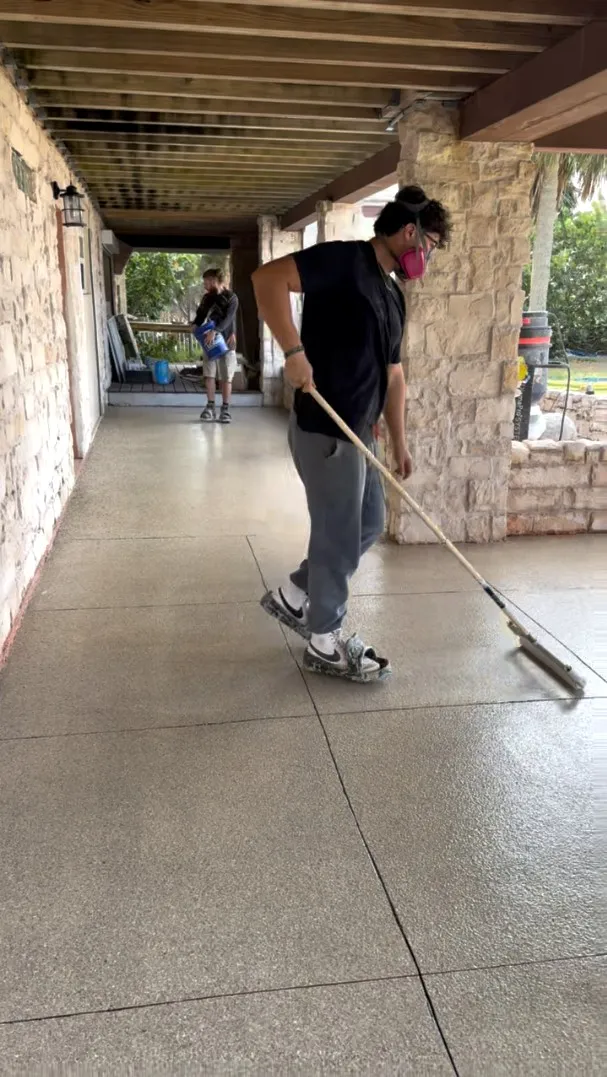
Jake McIlrath
Owner & Lead Installer, LuxeVita Epoxy LLC
Jake leads every LuxeVita install personally, bringing hands-on experience with Florida slabs, climate, and the prep that makes epoxy last. He writes here to help homeowners and businesses make informed flooring decisions.
Related Articles
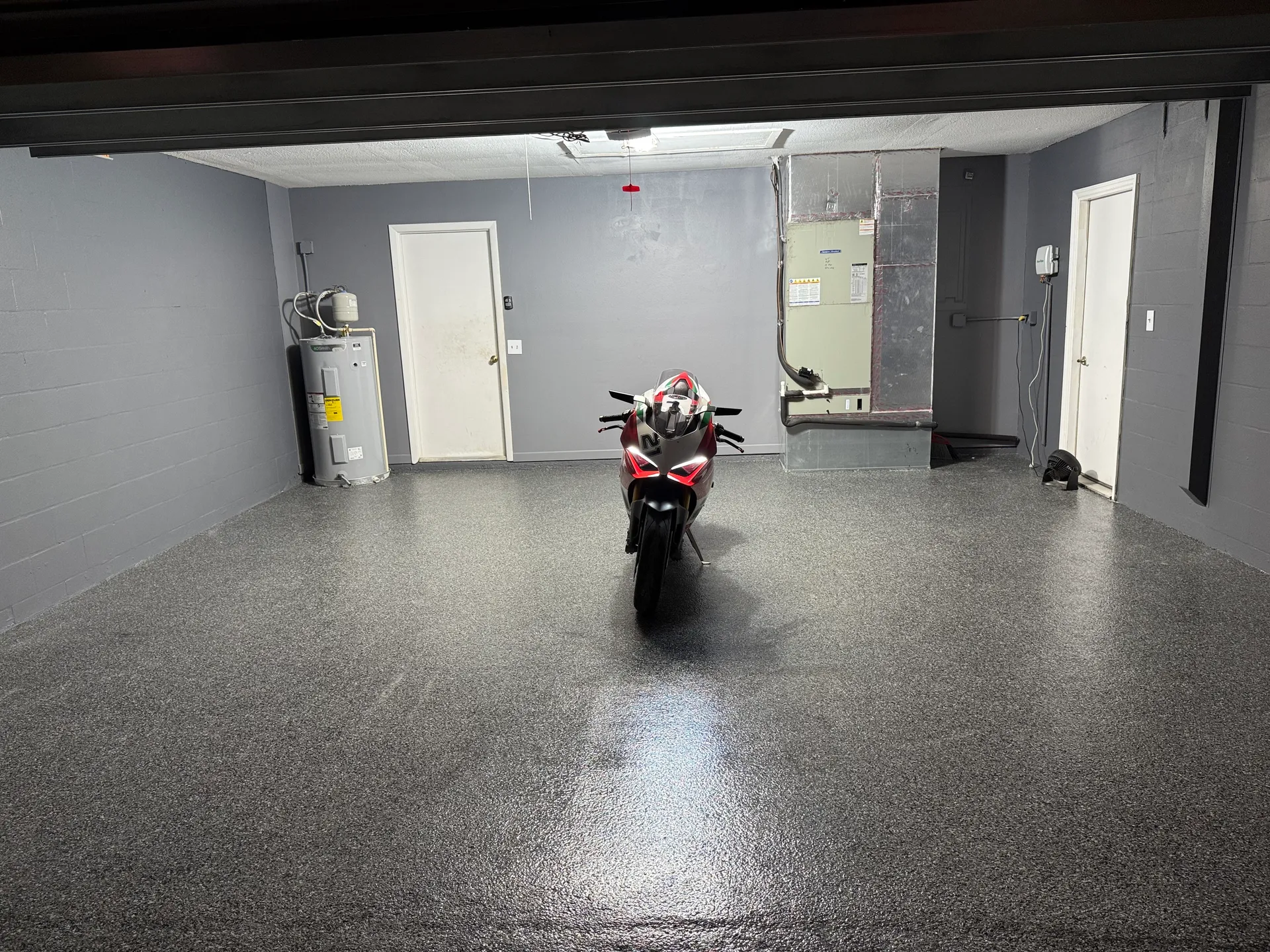
Polyaspartic vs Epoxy Garage Floors in Florida: Which Actually Lasts Longer?
Polyaspartic vs epoxy in Florida garages: which actually lasts longer under UV, humidity, and heat? A Brooksville installer breaks down the honest answer.
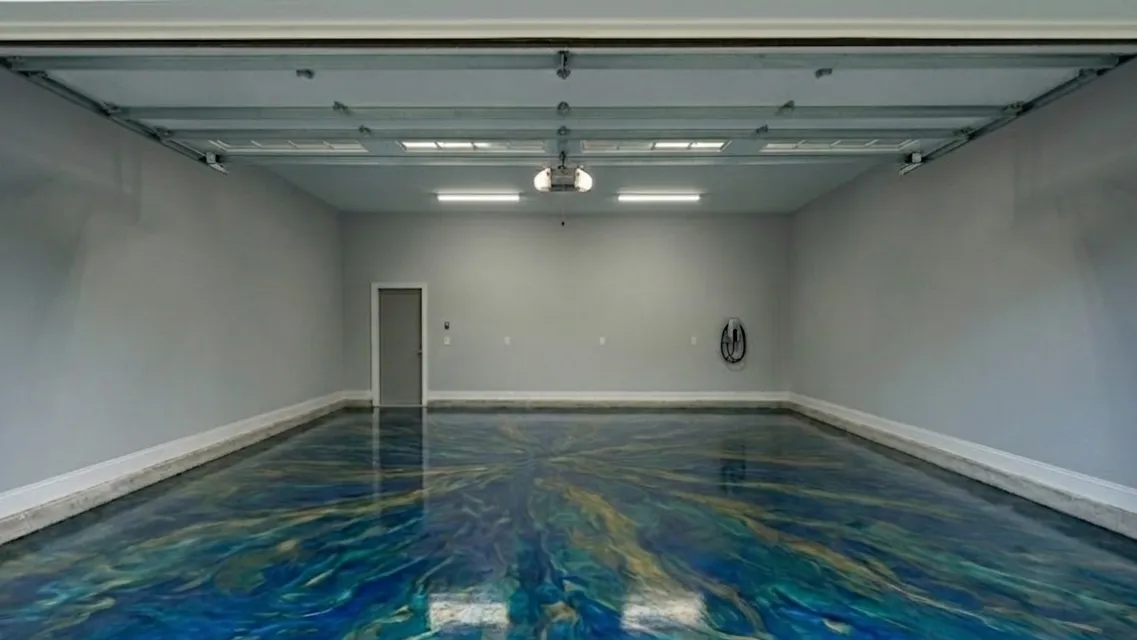
How Long Does Epoxy Flooring Actually Last in Florida? An Honest Lifespan Guide
How long does epoxy flooring last in Florida? An honest answer: 15-20+ years for pro systems, 2-4 for DIY kits. Here's what really drives lifespan.
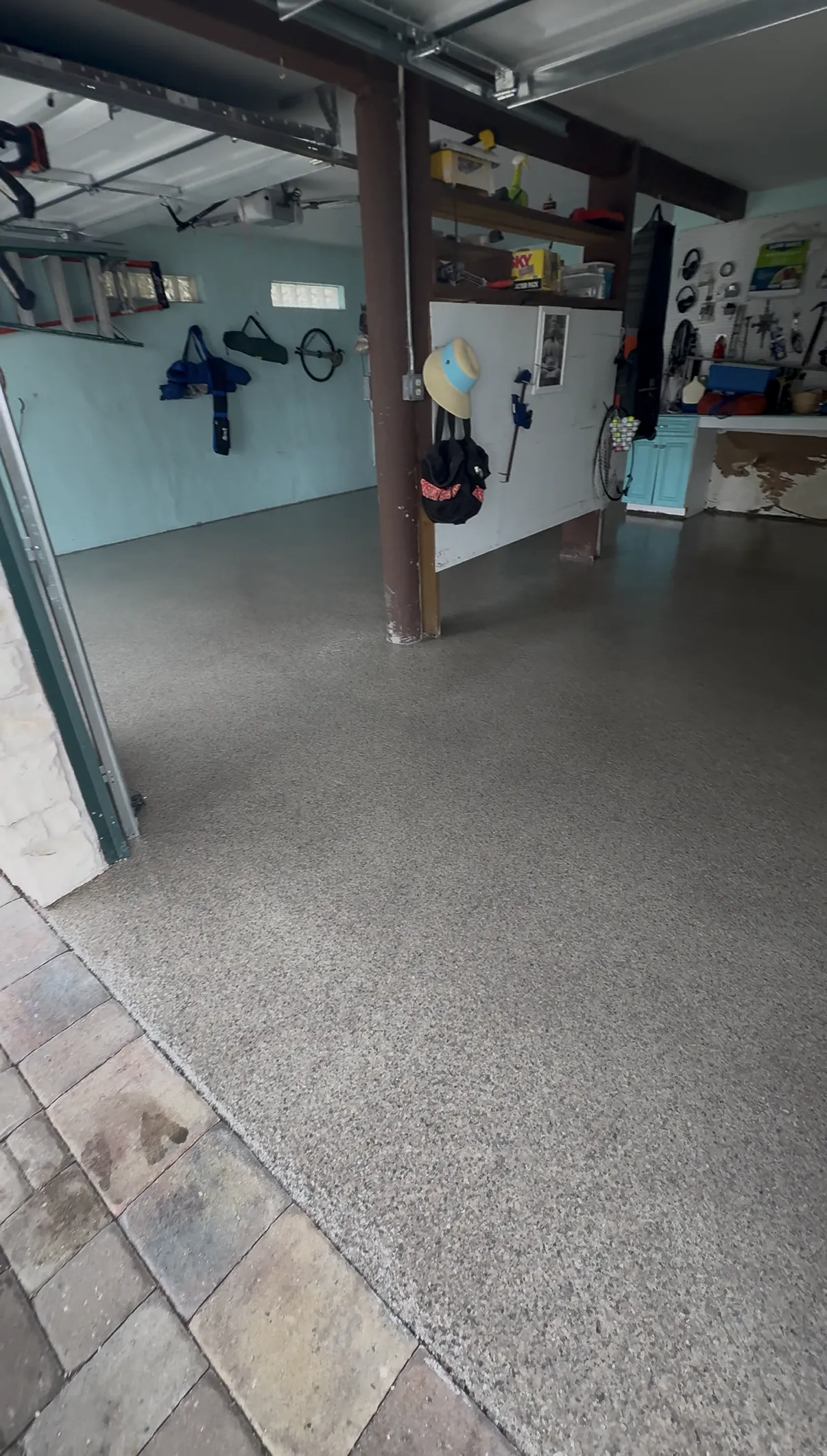
Epoxy Floor Cost Per Square Foot in Florida (2026): Real Pricing by Project Type
Real 2026 Florida epoxy floor cost per square foot, broken down by project type — garages, pool decks, lanais, commercial, with honest dollar ranges.
Ready to Transform Your Floor?
Get a free, no-obligation quote today. We respond within 24 hours.